Start Your Own Parklet
Creating a little public garden spot in your neighborhood is one of the most rewarding things neighbors can do together. Here is the whole journey, one friendly step at a time.
A note before you begin
It does not take a big budget or special expertise — it takes a good idea, a few committed people, and a willingness to follow some sensible rules so the space is safe and welcoming for everyone.
This guide leans on the City of Oakland, California, which has one of the clearest, most thoughtfully documented parklet programs in the country. Use it as inspiration and as a checklist — and always confirm the details with your own city. The Mini Parks Project is here to help connect you with a sponsoring organization along the way.
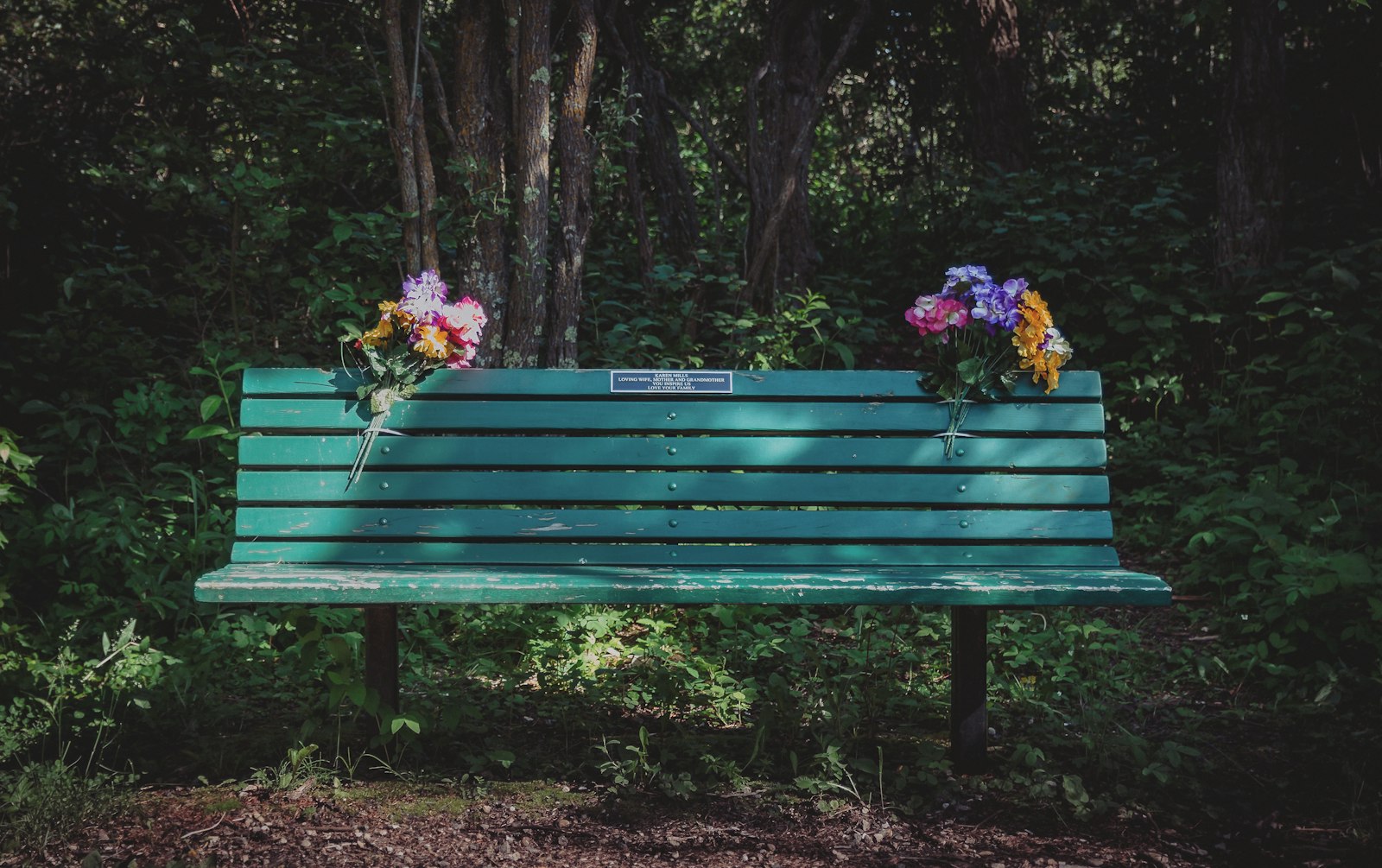
What is a parklet?
A parklet — sometimes called a mini park or pocket park — is a small public green space, usually built on an underused corner of public land. Instead of a forgotten patch left bare, it becomes a welcoming spot with plants, seating, and room to pause and gather.
Parklets are intentionally small — often just enough room for a couple of benches, some planters, and a bit of shade. That scale is the point: it is affordable, buildable by volunteers in a weekend or two, and it fits gently into a neighborhood that already exists. Most sit on a modular platform, so they can be improved or moved without altering the land beneath.
Eight steps, taken together
Building a mini park is a journey you take with your neighbors. Here is the path from first conversation to opening day — and beyond.
Dream up the idea & talk to neighbors
Every great parklet starts as a conversation over a fence. Notice an underused corner, talk first to the neighbors closest to it, and gather a small group of committed champions — ideally including someone with a green thumb.
Connect with a sponsoring organization
Most cities ask for an established sponsor to hold the permit, carry insurance, and sign the maintenance agreement. A neighborhood association, nonprofit, or community group can all qualify — and the Mini Parks Project helps you find one.
Check with your city
Before designing in detail, ask which department handles small public-space projects, and request their parklet guidelines, application packet, and rules on permits, fees, and neighbor consent. Treat the city as a partner.
Design the space
Start with seating and plants. Place benches facing one another so conversation follows. Design level and flush with the walkway where possible, keep a clear route through, plan for drainage from the first sketch, and add shade.
Gather permits & approvals
Submit your application, drawings, certificate of insurance, and maintenance agreement, plus any written neighbor consent. Expect a round of city feedback — treat it as free expert help making your parklet safer and better.
Build with safe, durable materials
Build a strong platform with weather-resistant, slip-resistant materials and no trip hazards. Add a protective railing with narrow gaps so it is safe for children. Keep it modular — and invite skilled neighbors to lend a hand.
Plant & furnish
This is where it comes alive. Choose drought-tolerant California natives, use sturdy planters, provide a mix of seating including accessible spots, and hold a volunteer planting day so neighbors put their hands in the soil.
Maintain & host community
Write a simple plan for who waters, sweeps, and tends the plants. Keep drainage clear, renew your permit on schedule, and host the community — a ribbon-cutting, a seasonal swap, a storytime. The gatherings are what make it beloved.
What makes a parklet safe & welcoming
Oakland’s parklet design guidelines are detailed because a parklet is a place where people sit and children play. The essentials are reassuringly common-sense.
A strong platform
Built to carry real weight — Oakland’s standard supports up to 100 pounds per square foot, with properly spaced joists and solid blocking.
Slip-resistant & trip-free
Durable, weather-resistant surfaces with a non-skid finish, and edges kept flush and even so no one trips.
Protective barriers
A railing or planter edge roughly 36–42 inches tall, with gaps no wider than about 4 inches, so it is safe for small children.
Level & accessible
The preferred design is level and flush with the walkway — a wide clear entry, room to turn a wheelchair, and accessible seating welcome everyone.
Good drainage
A clear channel runs the length of the platform so rainwater always flows freely underneath and never pools against the land.
Modular & reversible
Built on a platform rather than permanent foundations, a parklet can be adjusted, improved, or relocated when needed.
Oakland runs its program as a permit with annual renewal, and welcomes community groups — not just businesses — as sponsors. Read about Oakland’s program .
Every city is different
Parklet rules vary widely — fees, permit steps, design standards, and consent requirements all differ from place to place. Oakland’s guidance is an outstanding model, but it is not a substitute for your own city’s rules. Always check locally before you build.
You are not on your own
The Mini Parks Project works with sponsoring organizations and can help connect you with a sponsor, share lessons from other neighborhood parklets, and cheer you on from first sketch to opening day.
Get in touch with us