Seed Swap Boxes
A small weatherproof box where anyone can take seeds to plant and leave seeds to share — quietly building a neighborhood that grows its own food and flowers.
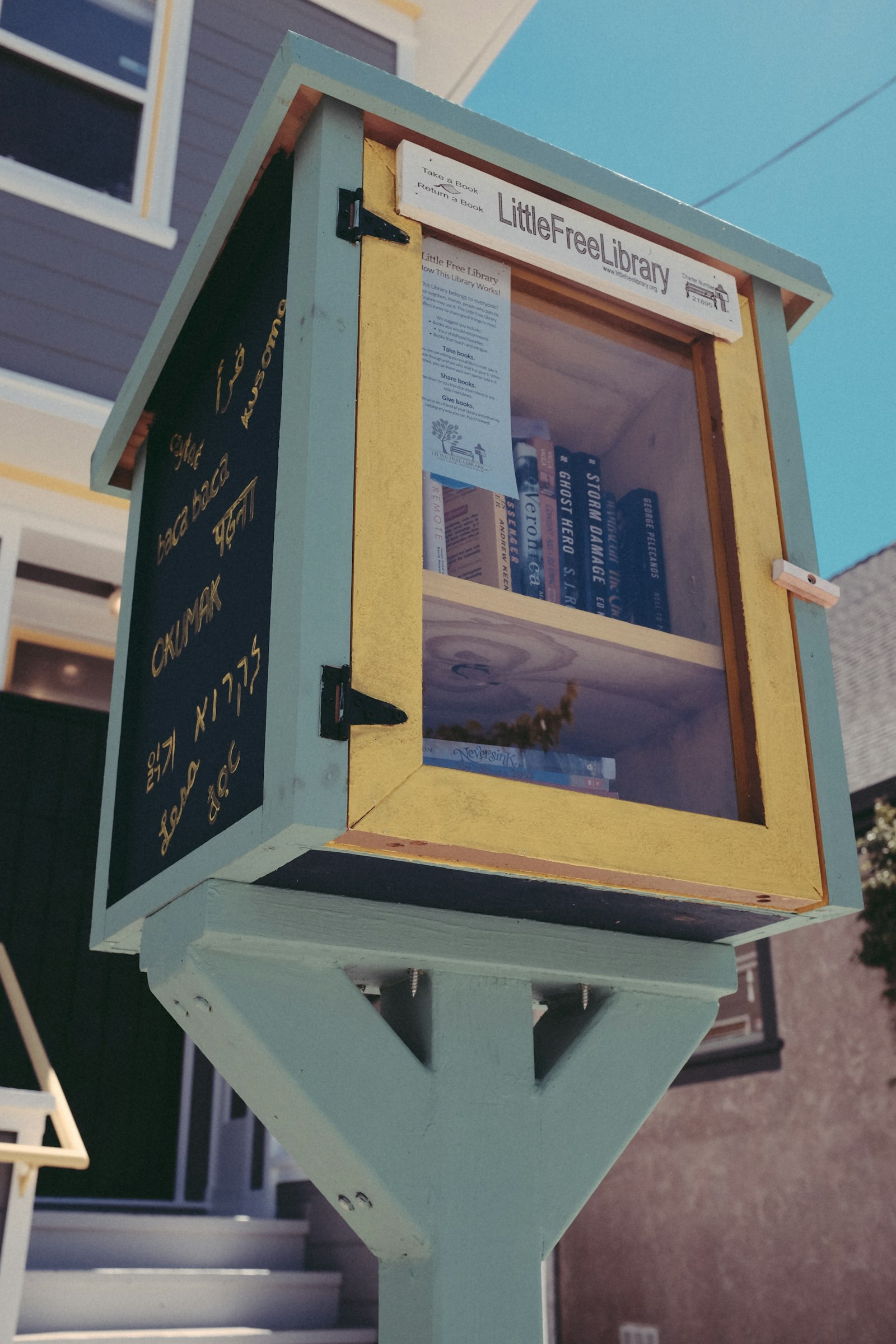
A tiny lending library, for seeds
A seed swap box holds labeled envelopes of seeds in a little cabinet or repurposed cupboard. It costs little, asks nothing, and runs entirely on generosity.
A seed box never demands a perfect trade. A brand-new gardener may take seeds and have nothing to give yet — and that is exactly the point. Over a season or two, today’s borrower becomes tomorrow’s contributor. It tends to fill up faster than it empties.
How a seed box works
It works like a tiny library — borrow, plant, and give back to it when you can.
Take a seed
Anyone may take a packet of seeds, free of charge, to plant in a garden, a pot, or another community space.
Leave a seed
If you can, leave seeds in return — seeds you saved, or spare seeds from a packet you bought. No one is required to.
Return the favor
Borrowed at planting time? Save seeds from your best plants in the fall and bring some back, so the box refills itself.
Why seed sharing matters
A seed is a small thing, but a shared seed carries a lot.
Biodiversity
Every variety that is grown and saved stays alive in the world. Sharing keeps rare and old varieties going — and a diverse mix of plants is healthier and more resilient.
Locally adapted plants
Seeds saved year after year from plants that thrived in Petaluma’s soil and dry summers slowly become better suited to growing right here.
Community connection
A seed box is a meeting point. It welcomes brand-new gardeners with no cost and no pressure, and passes along knowledge along with the seeds.
Access & resilience
Free seeds mean anyone can start a garden, regardless of budget — more fresh food close to home and more flowers for pollinators.
Heirloom, open-pollinated & hybrid
A few words you may see on a seed packet — and why they matter for a swap box.
Open-pollinated
Pollinated naturally by insects, wind, or hand. These plants grow “true to type” — saved seed looks and tastes like its parent. The heart of any seed library.
Heirloom
An open-pollinated variety grown, saved, and handed down for many generations — often 50 years or more. Heirlooms carry history and wonderful flavor.
Hybrid (F1)
The first-generation cross of two parent varieties, bred for specific traits. Fine to plant — but seed saved from a hybrid will not grow true to type.
The simple takeaway: the best seeds to save and share are open-pollinated and heirloom varieties, because they reliably grow true. If you donate hybrid seeds, just label them clearly so the next gardener knows what to expect.
The basics of saving seeds
Easier than most people expect. Start with the easy plants — the ones whose flowers pollinate themselves and stay true with little fuss.
Dry them fully
Seeds must be completely dry before storing, or they will mold. A seed is dry enough when you cannot dent it with a fingernail.
Label everything
Write the plant and variety name, the date collected, and any helpful notes. Use a waterproof marker so the label survives.
Store cool & dark
Paper envelopes inside a sealed jar, kept cool, dark, and dry. Seed life roughly doubles for every 10°F cooler the storage.
What to plant, and when
Petaluma sits in USDA hardiness zone 9b — one of the best climates in the country for growing food nearly year-round.
Late Winter — Early Spring
The best window to sow cool-season crops: lettuce, spinach, peas, kale, chard, carrots, beets, radishes.
Late Spring
Time for warm-season crops once soil is reliably warm: tomatoes, peppers, beans, squash, cucumbers, sunflowers.
Summer
Keep summer crops watered and harvested. Start cool-season seedlings in a shaded spot for the fall garden.
Fall
Plant the winter garden — greens and peas — and plant garlic. A fine time to sow California native wildflowers.
Winter
Hardy greens grow slowly on. A quiet season — perfect for sorting, labeling, and restocking the seed box.
Keeping the box healthy
A seed box runs on trust and a few shared courtesies.
For everyone who uses the box
- Take what you will truly plant — leave plenty for the next neighbor.
- Share when you can; saved or spare seeds keep the box alive.
- Label everything: plant name, variety, and date.
- Donate clean, dry, reasonably fresh seed — nothing moldy or damp.
- Skip seeds of plants known to spread aggressively.
For the volunteers who tend it
- Keep it dry — a weatherproof, shaded box and paper envelopes.
- Tidy every few weeks; remove anything damp or unlabeled.
- Refresh by season, featuring the right seeds at the right time.
- Add a short, friendly “take a seed, leave a seed” sign.
- Celebrate it with an occasional swap event or planting day.
Growing from seed
A seed box is pure wonder for children — proof that something tiny in your hand can become food, flowers, and a home for butterflies and bees.
Easy seeds for kids to grow
- Beans — big seeds for small hands, sprouting in about a week
- Sunflowers — tall, cheerful, with more seeds to save at the end
- Peas — quick to sprout in cool months, and fun to pick and eat
- Radishes — among the fastest of all, ready in about a month
- Pumpkins — big seeds, big leaves, and an exciting harvest
Watch a seed wake up
You will need a dried bean, a clear jar, a paper towel, and water.
- 1 Dampen a paper towel and tuck it around the inside of the jar.
- 2 Slide a bean between the towel and the glass, so you can see it.
- 3 Keep the towel damp — not soaking — somewhere warm and bright.
- 4 Watch each day: a tiny root reaches down, then a green shoot rises up.
- 5 Once it has leaves, plant it gently in soil and keep watching it grow.