Butterfly Gardens
One of the most rewarding things a small corner can become — a feeding station, a nursery, and a resting place for some of Sonoma County’s most beautiful and important visitors.
A whole habitat fits on a corner
A butterfly garden does not need much room. Even a tiny patch of soil, planted with care, can welcome butterflies, bees, and hummingbirds back to the block.
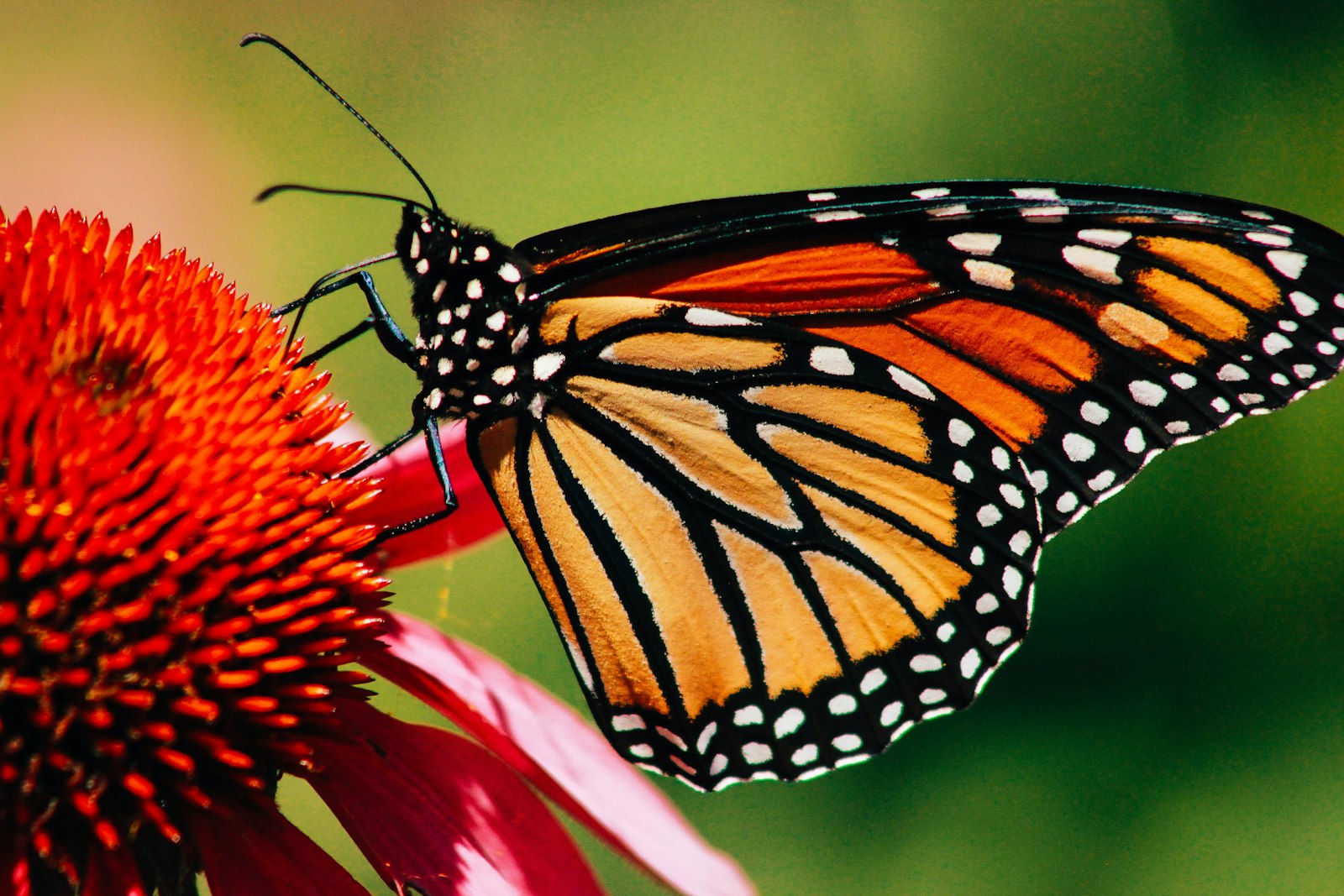
Butterflies are pollinators. As they sip nectar from flower to flower, they carry pollen with them — helping plants make the seeds and fruit that gardens, orchards, and wild meadows depend on. A handful of pocket gardens across a town, linked like stepping stones, can make a genuine difference for pollinators that are struggling.
Why pollinators matter
Butterflies share the quiet, daily work of pollination with bees, moths, beetles, and hummingbirds. The numbers are remarkable.
bites of food we eat depend on pollinators
of the world’s 1,400 crop plants rely on animal pollination
flowering plant species are reproduced with their help
One of nature’s most astonishing changes
A good butterfly garden supports every stage of metamorphosis — leaves for eggs, host plants for caterpillars, quiet stems for the chrysalis, and nectar for adults.
Egg
Tiny eggs — smaller than a pinhead — are laid on the underside of a chosen host plant. About 3 to 7 days.
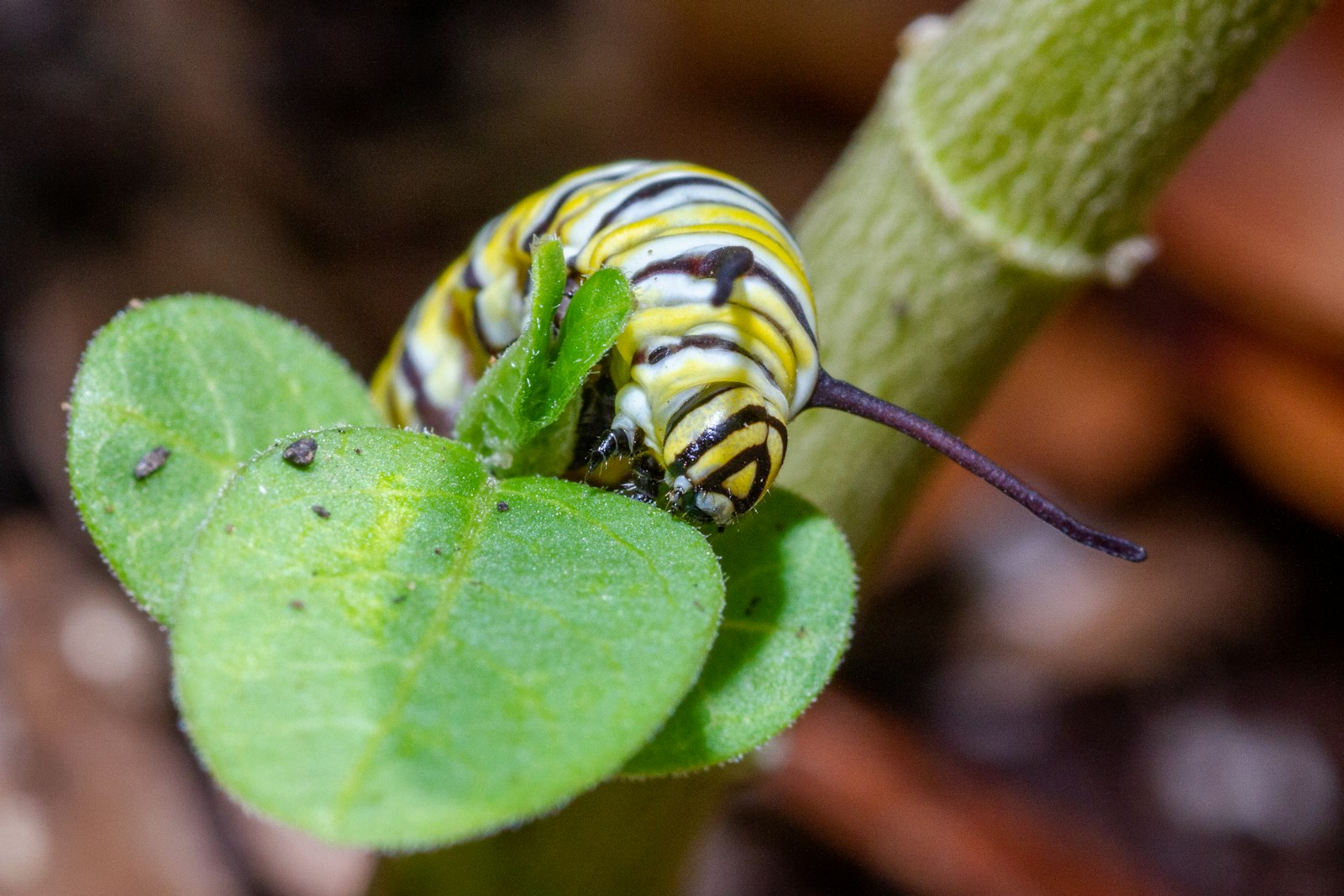
Caterpillar
A hungry caterpillar chews steadily and grows fast, shedding its skin until it is over 100 times larger.
Chrysalis
The caterpillar forms a chrysalis. Hidden inside, its body is completely rebuilt into wings, legs, and antennae.
Adult Butterfly
The adult emerges, dries its wings, and takes flight — to find nectar, find a mate, and begin the cycle again.
Native plants for a Sonoma County garden
A great garden needs two kinds of plants. Natives are best of all — local butterflies evolved alongside them, and they need little water once established.
Host plants
Food for caterpillars — where butterflies lay their eggs.
- Narrow-leaved & showy milkweed — the only food for monarch caterpillars
- California pipevine — for the pipevine swallowtail
- Ceanothus / wild lilac — swallowtails and more
- Native lupines — several blues and other butterflies
- Pearly everlasting — painted lady and American lady
- California buckwheat — small butterflies (and fine nectar too)
Nectar plants
Food for adult butterflies — bright flowers that fuel flight.
- Yarrow — tough, flat flower clusters to land on
- Coyote mint — fragrant, lavender-pink, loved by pollinators
- Native sages — long bloom seasons, rich in nectar
- Seaside daisy — cheerful flowers over a long season
- Goldenrod & native asters — vital late-season fuel
- California fuchsia — late-summer and fall nectar
A note on milkweed: choose native narrow-leaved or showy milkweed. Avoid tropical milkweed, which can disrupt natural monarch migration and harbor disease.
Designing a habitat in a tiny space
A mini park corner has everything butterflies need. Here is how to make the most of it.
Find the sun
Butterflies cannot fly until their flight muscles warm up. Choose the sunniest spot, with flat stones for basking.
Plant in clumps
Group three to five of the same plant together. Clumps of color are far easier for passing butterflies to find.
Shelter from wind
A low hedge, taller shrubs, or a fence creates a calm pocket where delicate fliers will linger.
Add a puddling station
Butterflies sip moisture and minerals from damp sand. A shallow dish of moist sand with pebbles to perch on is perfect.
Stay pesticide-free
Sprays do not tell a pest from a butterfly. A butterfly garden must be completely pesticide-free.
Leave a little wild
Chrysalises hang on quiet stems. Skip heavy pruning in the growing season and leave some leaf litter.
Monarchs need our corners
No butterfly captures the imagination quite like the monarch. Western monarchs spend winter clustered in coastal California groves, then fan out inland to breed across several generations before a special "super generation" makes the long journey back.
Western monarch numbers have fallen by roughly 95% from historical levels. Butterfly gardens genuinely help.
A mini park planted with native milkweed and late-blooming nectar flowers becomes a real stepping stone on the monarch’s path. Many small habitats, linked across a town, add up to a corridor of safe places.
Butterflies are amazing
A butterfly garden is a wonderful outdoor classroom. Every child who learns to love a butterfly becomes a small protector of the natural world.
Fun butterfly facts
- Butterflies taste with their feet — they can tell the moment they land whether a leaf is right for their eggs.
- A butterfly drinks through a straw — a long, coiled tube called a proboscis.
- Their wings are covered in thousands of tiny scales, like shingles on a roof, that make every color and pattern.
- A caterpillar can grow over 100 times bigger than the day it hatched — imagine a kitten the size of a school bus.
- Butterflies cannot fly when they are cold. They warm up in the sun first, like a tiny solar panel.
Butterfly scavenger hunt
Explore the mini park and see how many you can find. Look only — never touch — so everyone stays safe.
- A butterfly with orange on its wings
- A butterfly resting in a sunny spot
- A bee or other pollinator visiting a flower
- A leaf with a caterpillar’s nibble marks
- A milkweed plant — the monarch’s host plant
- Three different colors of flowers
- A quiet, shady place where a chrysalis might hide